French Crop Fade Haircut — 17 Expert Styles That Actually Work (2026 Guide)
Most men do not choose the wrong haircut. They chose the wrong version of the right haircut.
The French crop fade haircut is highly adaptable to face shapes, hair densities, lifestyles, and grooming habits. It rarely loses its identity. A well-cut version looks sharp with little effort. A poorly chosen variation can feel flat, too severe, bulky, or simply not suit the face.
Barbers recommend this modern men’s haircut because it solves many problems at once. It can make thin hair look denser and reduce bulk on the sides in thick hair. It softens a high forehead and holds its shape better than many trendy styles. That is why it looks good in photos and in daily life.
Before diving into the style breakdowns, if you want the full foundation behind the haircut family, read our ultimate French crop haircut guide, where every major variation is explained in greater detail.
Why This Haircut Dominates Modern Men’s Grooming
Most men need a haircut that fits their face, works with their hair, and looks intentional even after a busy day.
The French crop fade dominates modern men’s grooming by combining clean faded sides, manageable top length, and a face-shaping fringe.
- manageable top length
- face-shaping fringe control
Unlike many modern styles, this haircut does not depend on a perfect blow-dry or an involved styling routine. It is structured first. That makes it especially useful for men who want a haircut that works after a few weeks, not just on day one.
Barber Experience: In real barbershop settings, this style is often recommended to clients who want something cleaner than a messy style but less demanding than a quiff, pompadour, or disconnected undercut.
If you are researching broader style trends, you can also compare this haircut with options in our best hairstyles for men 2026 guide.
What Barbers Don’t Tell You About French Crop Fade
Most people think getting a French crop fade is simple — show a photo, get the cut, and you’re done.
In reality, this is one of the most misunderstood haircuts in modern barbering, and small mistakes here create big problems later.
Why Most Barbers Rush This Haircut
In busy barbershops, the French crop fade is often treated as a “quick haircut” because of its short length and simple outline.
But the real work is not in cutting short — it’s in controlling weight and texture.
Barber Experience: In real barbershop settings, many rushed crop fades look clean for the first few days but lose shape quickly because the internal structure was never properly built.
Why the Wrong Fade Choice Ruins the Entire Look
Fade height isn’t just about style — it directly affects how your face looks.
- A fade that is too high can make thin hair look weaker
- A fade that is too low can make thick hair look bulky
Barber Insight:
Most clients regret the haircut not because of the crop, but because the fade was not matched to their face shape.
Why Photos Don’t Match Real Results
The haircut you see in photos is usually:
- freshly cut
- professionally styled
- taken under perfect lighting
In real life, your hair behaves differently based on:
- growth pattern
- density
- daily routine
Barber Experience:
Many clients bring photos that look perfect, but the same style does not translate because their hair type and face structure are completely different.
Why the Growth Phase Ruins Bad Haircuts
A properly designed French crop fade should still look balanced after 2–3 weeks.
A poorly structured one starts to fail quickly:
- The top becomes heavy
- The fade loses shape
- The fringe falls awkwardly
Barber Insight:
A haircut should be judged after growth — not on day one.
French Crop Fade Style Comparison
|
Style |
Best For |
Difficulty |
Maintenance |
Common Failure |
|
Low Fade |
Professional look |
Easy |
Low |
Top too heavy |
|
Mid Fade |
Modern structure |
Medium |
Medium |
Scalp visible |
|
High Fade |
Bold contrast |
Medium |
Medium |
Weak top |
|
Skin Fade |
Clean finish |
Hard |
High |
Grows out fast |
|
Drop Fade |
Better profile |
Medium |
Medium |
Wrong curve |
|
Burst Fade |
Trend style |
Medium |
Medium |
Too flashy |
|
Textured Crop |
Thin hair |
Medium |
Medium |
Over-texture |
|
Long Crop |
Styling flexibility |
Medium |
Medium |
Collapse |
|
Short Crop |
Low maintenance |
Easy |
Low |
Too basic |
What is a French crop fade
French crop vs fade

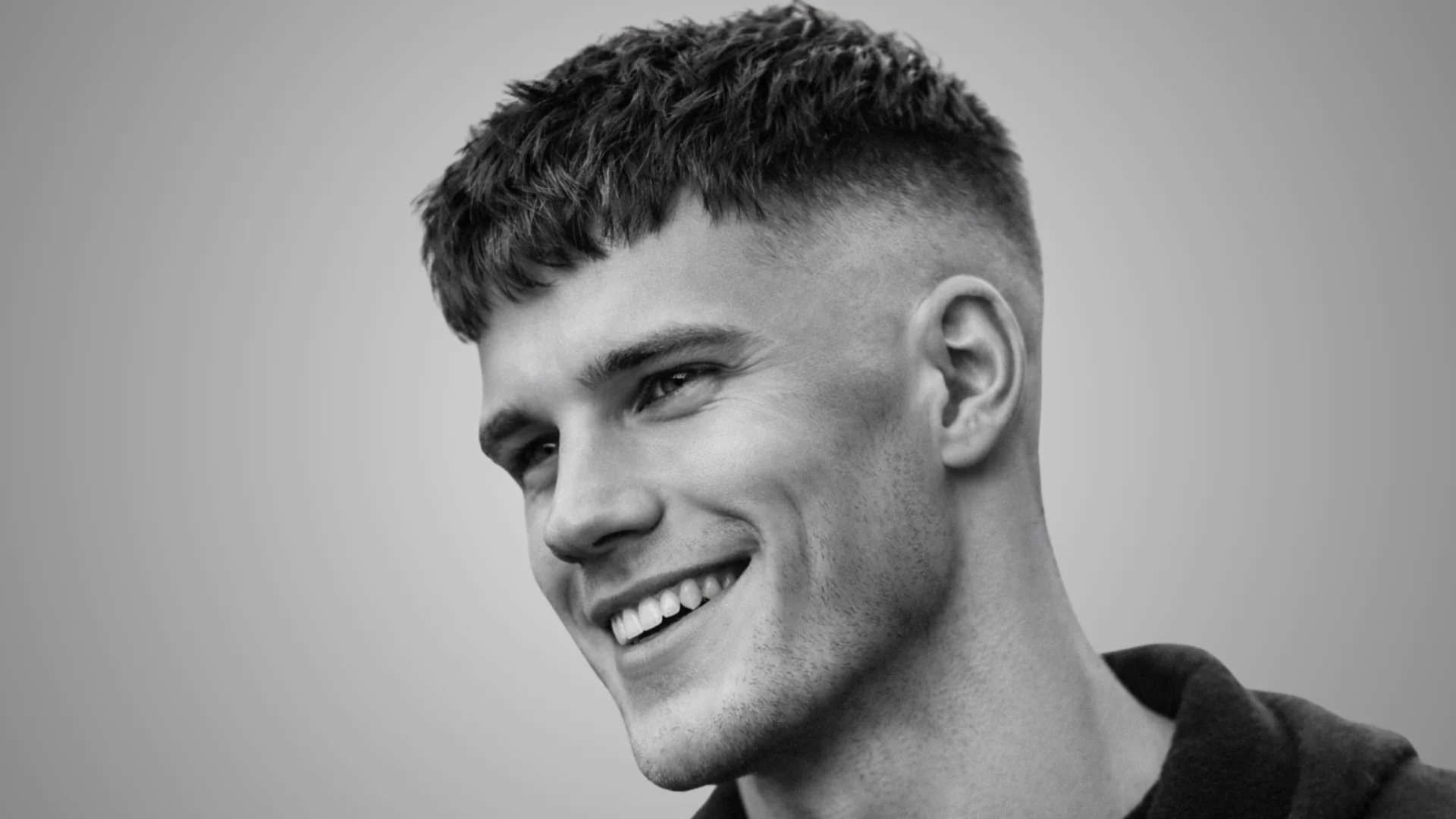
A French crop fade haircut combines:
- short faded sides
- a structured cropped top
- a forward fringe
But what makes it effective is not the outline. It is the execution underneath.
This haircut works when the fade compresses sides, the top controls direction, and the fringe defines the face. When aligned, it looks balanced, modern, and wearable; otherwise, it appears generic.
Barber Suggestion: Never choose this haircut only because it looks good on someone else. The fade height, fringe weight, and texture level need to match your face and hair behavior.
The 3 Key Elements
A well-executed French crop fade is built on technical decisions that most clients never see, but always feel in the final result.
Weight Balance
The top must be balanced carefully. Too much weight makes the haircut look heavy and flat. Too little causes it to collapse and lose shape. In professional barbering, weight imbalance (how much hair is left or taken off certain areas) is one of the biggest reasons a crop looks good in the chair but worse after the first wash.
Texture Control
Texture is what stops the top from looking stiff. In hairdressing, texture means creating separation between strands or adding layers, so hair moves and appears fuller, creating the illusion of more density and a more natural finish.
When It Fails: If the barber removes texture haphazardly rather than strategically, the haircut can look dry, weak, and inconsistent.
Fringe Design
The fringe (the hair at the front of the head, above the forehead) controls how the haircut meets the face. By altering the length or shape of this front section, it can soften angles, reduce the appearance of a high forehead, and change the overall personality or feel of the haircut.
Barber Suggestion: If your forehead is high or your front hairline is uneven, the fringe is not a detail. It is the most important part of the haircut.
Barber System Explained
Before cutting this style, experienced barbers usually look at three things first:
|
Factor |
What a Barber Looks For |
Why It Matters |
|
Face Shape |
Round, square, oval, long |
Determines fade height and fringe weight |
|
Hair Density |
Thin, medium, thick |
Controls top length and texture amount |
|
Growth Pattern |
Forward, upright, irregular |
Affects how the crop will sit naturally |
This matters because the same haircut can look very different on two people. A round face with thick hair needs a different crop fade than a long face with fine hair.
Barber Experience: the haircut is copied from a photo rather than adjusted to the client.
If you want to understand the facial side of haircut planning more deeply, visit our best hairstyles for different face shapes guide.
17 Best French Crop Fade Haircut Styles
These styles are not just visual variations. Each one solves a different grooming problem.
French Crop Low Fade

A low-fade French crop is a safe choice, keeping enough side weight for balance while refining the profile.
Insight: This is one of the most commonly recommended variations for office workers and first-time crop clients because it grows out more gracefully than sharper fades.
Why It Works:
With a lower transition, the haircut feels softer and more wearable. At the same time, the sides remain under control.
When It Fails:
If the top is too dense, the haircut feels flat instead of textured.
Barber Suggestion:
Choose this if you want a clean, professional haircut that stays presentable longer between appointments.
Decision Block:
If you want something safe, polished, and low risk → choose this.
For more subtle professional styles, compare this with options in our complete French crop haircut guide.
French Crop Mid Fade

The mid fade adds more contrast and usually makes the haircut feel more deliberate.
Barber Insight: This is often suggested when a client says they want something modern and sharper, but not as extreme as a skin fade.
Why It Works: The raised fade tightens the sides and adds more visual strength to the top.
When It Fails:
On low-density hair, it can expose too much scalp, weakening the look.
Barber Suggestion:
Choose this if your face needs more definition or if you want a stronger modern finish.
Decision Block:
If your face looks wider and you want more structure → choose this.
You can compare this more directly in our low-fade vs. mid-fade haircut guide.
A client once came in asking for a sharp, high fade because he liked the clean look he saw online.
The result looked great on day one. But within a week, the problem became obvious — his top wasn’t dense enough to support that level of contrast. The sides were too tight, and the top looked disconnected instead of defined.
Barber Reality:
High fades amplify whatever is happening on top. If the top is strong, it looks premium. If it’s weak, it exposes every flaw.
When It Works Best:
- strong, thick hair
- clients who want bold contrast
When It Fails:
- thin density
- uneven growth
Decision:
If your top is not strong, this style will not save you — it will expose the issue.
Modern Low Fade French Crop

This version keeps the low fade softness and updates the top with a modern touch. It suits men who want a current haircut that is not forced.
Why It Works:
It combines easy wearability with a more textured, natural top.
When It Fails:
If the top is too messy and lacks structure, it loses its identity as a crop.
Barber Suggestion:
Choose this if you want a clean haircut that still feels relaxed.
Decision Block:
If you want a modern everyday style → choose this.
This also fits well within our broader modern haircut trends guide.
Fringe French crop fade

This variation emphasizes the fringe.
Barber Insight: Barbers often say the fade gets the attention, but the fringe decides whether the haircut actually suits the face.
Why It Works:
A good fringe can soften a high forehead, reduce harshness, and bring more balance to the face.
When It Fails:
If the fringe is blunt and heavy, the haircut loses freshness immediately.
Barber Suggestion:
Choose this if your forehead, hairline, or face shape needs visible front framing.
Decision Block:
If your front profile matters most → choose this.
For hairline-related styles, visit our haircuts for receding hairline guide.
French Crop High Fade

This haircut creates a bold and sharp look with a strong contrast on the sides. Many men choose it because a French crop with high fade stands out and feels modern, while the French crop high fade straight hair style keeps straight hair clean and easy to manage.
French Crop Burst Fade

The burst fade is one of the more expressive options.
This style is more about fashion than practicality. Trend-driven clients prefer it to a conservative haircut.
In this variation, the fade curves around the ear to add a more stylized outline. It delivers visual movement and personality.
When It Fails:
In formal settings, it can feel too attention-grabbing. Choose this if you want personality and movement in the silhouette.
Decision Block:
If your priority is individuality over subtlety → choose this.
You can compare more current expressive cuts in our modern hairstyle trends guide.
French Crop Drop Fade

The drop fade focuses less on trend and more on shape correction.
This fade shapes the head and side profile for a tailored contour.
Why It Works:
It follows the natural curve of the head, creating a smoother profile.
When It Fails:
If the fade path does not match the client’s skull shape, it can look awkward from the side.
Barber Suggestion:
Choose this if you care how the haircut looks from profile view, not just the front.
Decision Block:
If you want a more sculpted side profile → choose this.
For more proportion-led haircut choices, see our face shape hairstyle guide.
French Crop Skin Fade

The skin fade is the sharpest and most maintenance-intensive variation.
In real barber practice, this style is best for clients who return regularly. It looks excellent when fresh. However, it loses that crispness faster than softer fades.
Why It Works:
The skin fade creates maximum separation between top and sides, giving the haircut a very clean finish.
When It Fails:
If you cannot maintain it every few weeks, it quickly loses its premium look.
Barber Suggestion:
Choose this only if you prioritize sharpness and can keep up with trims.
Decision Block:
If you love a fresh, clean finish and don’t mind upkeep → choose this.
If maintenance is a concern, read our low-maintenance haircut guide for men first.
Textured French crop fade

This is one of the most requested modern crop styles because texture adds flexibility. Barber Insight: Good texture is placed where movement is needed. Bad texture is scattered throughout, weakening the haircut.
Why It Works:
It creates separation, adds movement, and helps thin hair look denser.
When It Fails:
If over-textured, the top can lose support and feel dry.
Barber Suggestion:
Choose this if your hair tends to look flat or lacks visible movement.
Decision Block:
If you need volume illusion more than strict neatness → choose this.
This is especially useful alongside the ideas in our best haircuts for men with thin hair guides.
Messy French crop fade

Most people think this is the easiest version — just “messy and natural.”
In reality, this is where most bad haircuts happen.
A poorly cut, messy crop doesn’t look relaxed. It looks unfinished.
Barber Experience:
In real shops, clients often return, saying, “It just doesn’t sit right”—and the problem is always the base structure, not the styling.
Why It Works:
- hides minor imperfections
- flexible styling
When It Fails:
- weak base cut
- uneven texture
Decision:
If you want messy, make sure the foundation is strong — otherwise, avoid it.
French crop fade with beard

This pairing is not just visual; it affects facial balance.
Barber Insight: A crop fade with a beard is often used to strengthen lower-face definition, especially when the haircut itself is clean, and the beard adds density.
Why It Works:
The sharp haircut contrasts well with the natural facial hair, making the face look more structured.
When It Fails:
If thIf the beard is too bulky or unshaped, it can overpower the haircut.
Barber Suggestion:
Choose this if you want a stronger jawline impression.
Decision Block:
If your beard is part of your look, not an afterthought → choose this.
You can pair this with ideas in our beard styles and grooming guide.
French Crop Fade for Different Hair Types
Straight Hair

Straight hair can make this haircut look very clean or very flat.
Barber Insight: Straight hair needs deliberate placement of texture. Without it, the crop loses movement and personality.
Why It Works:
When cut correctly, it creates shape and prevents the hair from lying too rigidly.
When It Fails:
If the top is cut bluntly, the style feels stiff and lifeless.
Barbar Suggestion:
Choose this if you want sharpness, but ask specifically for movement on top.
Decision Block:
If your straight hair falls flat easily → choose a textured version of this.
For more, see our straight hair styling guide for men.
Curly Hair

Curly hair adds natural movement, altering how the crop behaves.
Barber Insight: The goal here is not to force the curls into structure, but to control the sides so the top can carry the look cleanly.
Why It Works:
Curly tops add natural volume and texture, while the fade keeps the haircut from growing too long.
When It Fails:
If the curls are too bulky at the top edge, the haircut can quickly lose shape.
Barber Suggestion:
Choose this if you want to use your natural texture rather than fight it.
Decision Block:
If your curls already have life → let the crop organize them.
Explore more in our guide to curly hairstyles for men.
Asian Hair

Asian hair brings a completely different structure to this haircut.
Barber Insight: Asian hair is typically straight and dense, which means the challenge is not volume — it’s controlling stiffness and direction.
Why It Works:
The crop adds shape and movement to naturally straight hair, while the fade removes heaviness from the sides for a cleaner silhouette.
When It Fails:
If the top is left too blunt or heavy, the hair can stick out awkwardly instead of laying naturally.
Barber Suggestion:
Choose this if you want to add texture and flow to straight, thick hair without losing control.
Decision Block:
If your hair is straight and tends to sit flat or stiff → choose this.
You can also explore styling techniques in our Asian hair grooming and texture guide.
French Crop Fade for Thick Hair
Thick hair changes the barber’s priorities.
Barber Insight: The challenge is not adding volume. It removes weight without creating frizz or an awkward shape.
Why It Works:
The crop makes thick hair easier to control, while the fade reduces side bulk.
When It Fails:
Over-thinning can make thick hair look chaotic rather than manageable.
Barber Suggestion:
Choose this if you want to make dense hair easier to live with.
Decision Block:
If your main problem is bulk, not flatness → choose this.
Also see our thick hair management guide for men.
French Crop Fade for Thin Hair
Thin hair is where this haircut becomes technical.
One client with thinning hair wanted a longer crop to “cover more.”
It actually made things worse — the longer strands separated, exposing more scalp.
Barber Insight:
Thin hair doesn’t need length. It needs to be an illusion.
What Actually Works:
- shorter top
- controlled texture
- correct fade height
When It Fails:
- too much length
- high fade + thin density
Decision:
If your goal is fullness, shorter, textured hair always beats longer hair.
Long French Crop Fade

This version allows more room for styling and for mistakes.
Barber Insight: Longer crops require smarter weight control. Otherwise, they stop looking like a crop and start looking like an unbalanced fringe haircut.
Why It Works:
It allows more movement, more direction changes, and more personality.
When It Fails:
If too much weight remains at the front, the top can collapse and look heavy.
Barber Suggestion:
Choose this if you want variation and don’t mind a little more styling.
Decision Block:
If you want flexibility instead of strict simplicity → choose this.
You can support this with our men’s hair styling guide.
Short French Crop Fade

The short version reduces the haircut to its most practical form.
Barber Insight: This is often the best option for busy clients because it removes styling complexity while preserving the crop’s identity.
Why It Works:
It is clean, simple, and easy to maintain.
When It Fails:
If the top is cut too short without enough shape, it starts to feel generic.
Barber Suggestion:
Choose this if your priority is efficiency.
Decision Block:
If you want low maintenance above all else → choose this.
See more in our guide to the best low-maintenance haircuts for men.
How to Choose the Right French Crop Fade
|
Your Situation |
Best Choice |
|
Thin Hair |
Textured Crop |
|
Thick Hair |
Layered Crop |
|
Styling Time Available |
Long Crop |
|
Round Face |
Mid / High Fade |
|
Long Face |
Low Fade |
|
Busy Lifestyle |
Short Crop |
Based on Face Shape
Round faces usually benefit from mid- or high-fade versions because tighter sides help add structure.
Square faces usually benefit from textured fringe, which softens stronger lines.
Oval faces are more flexible and can carry most variations well.
Barber Experience: Good barbers adjust this haircut to proportions, not trends.
Based on Hair Type
Thin hair usually needs texture and careful fade placement.
Thick hair usually needs internal weight removal.
Curly hair usually benefits more from side control than from extra styling.
Based on Lifestyle. If your routine is busy, the short or low-fade version is usually better.
If you style your hair regularly, longer or more textured versions become more practical.
How to Style a French Crop Fade
Best Products
|
Product |
Best Use |
|
Matte Clay |
Structure and dry hold |
|
Texture Powder |
Volume and separation |
|
Sea Salt Spray |
Light movement and airy finish |
These products give control without making the hair feel stiff.
For a broader breakdown, read our guide to the best hair styling products for men.
Simple Routine
Apply a small amount of product, push the hair forward, then separate it with your fingers.
Barber Tip: If you use too much product, the haircut loses its natural finish and starts to look forced.
Expert Tips Before Choosing This Haircut
- Match the fade to your lifestyle, not just the look you like online.
- Keep the top balanced; too much weight ruins the cut faster than most realize.
- Avoid a heavy, blunt fringe unless it suits your face.
- If you wear a beard, make sure it supports the haircut rather than competes with it.
Common Mistakes That Ruin This Haircut
- Too much weight on top
- Wrong fade level
- Overusing product
- Ignoring face shape
- Choosing a variation that looks good in photos but not in everyday life
Most men don’t regret the haircut name. They regret the version they chose.
How to Ask Your Barber (IMPORTANT)
Say:
“I want a French crop fade with natural texture and a soft fringe.”
Then specify:
- fade level
- top length
- How much styling effort do you want to do
This gives the barber something useful to build around instead of leaving the decision vague.
Final Verdict — Is This Haircut Worth It?
Yes — when it is matched correctly.
The French crop fade works because it:
- fits different hair types
- requires minimal effort
- enhances overall appearance
- adapts to both casual and professional life
That is why it keeps returning as one of the strongest modern grooming choices.
